Course Status
For the months of June, July and August, the range (long game area) will be closed until 10am every TUESDAY morning for essential maintenance. No other restrictions in place.
Updated: 2nd Jun 2026
Timeline
- 1885
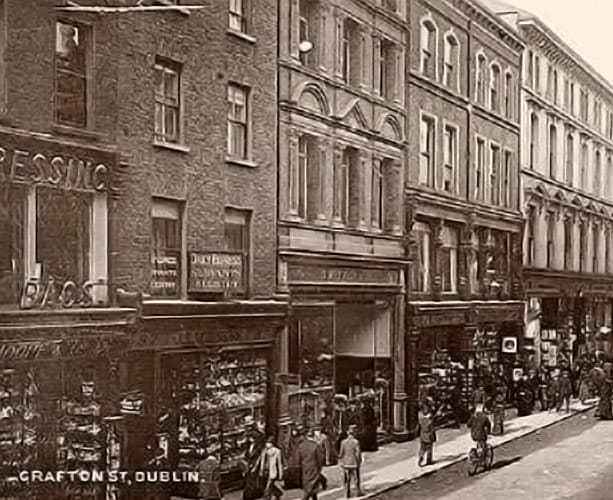
A New Golf Club for Dublin Is Founded
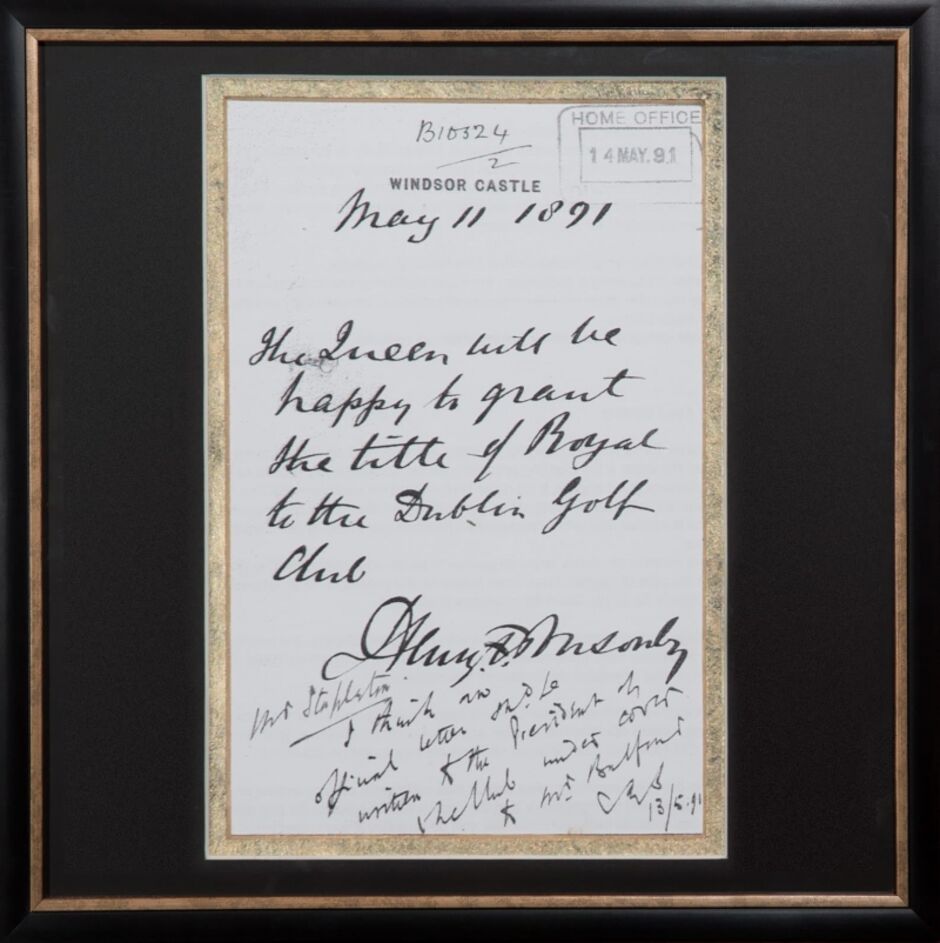
At a meeting held at 19 Grafton Street in May 1885, the club was instituted, pioneered by a Scottish banker, John Lumsden. The club was originally called the Dublin Golf Club – it received its Royal designation six years later, in 1891.
- 1889
Club Leaves Phoenix Park
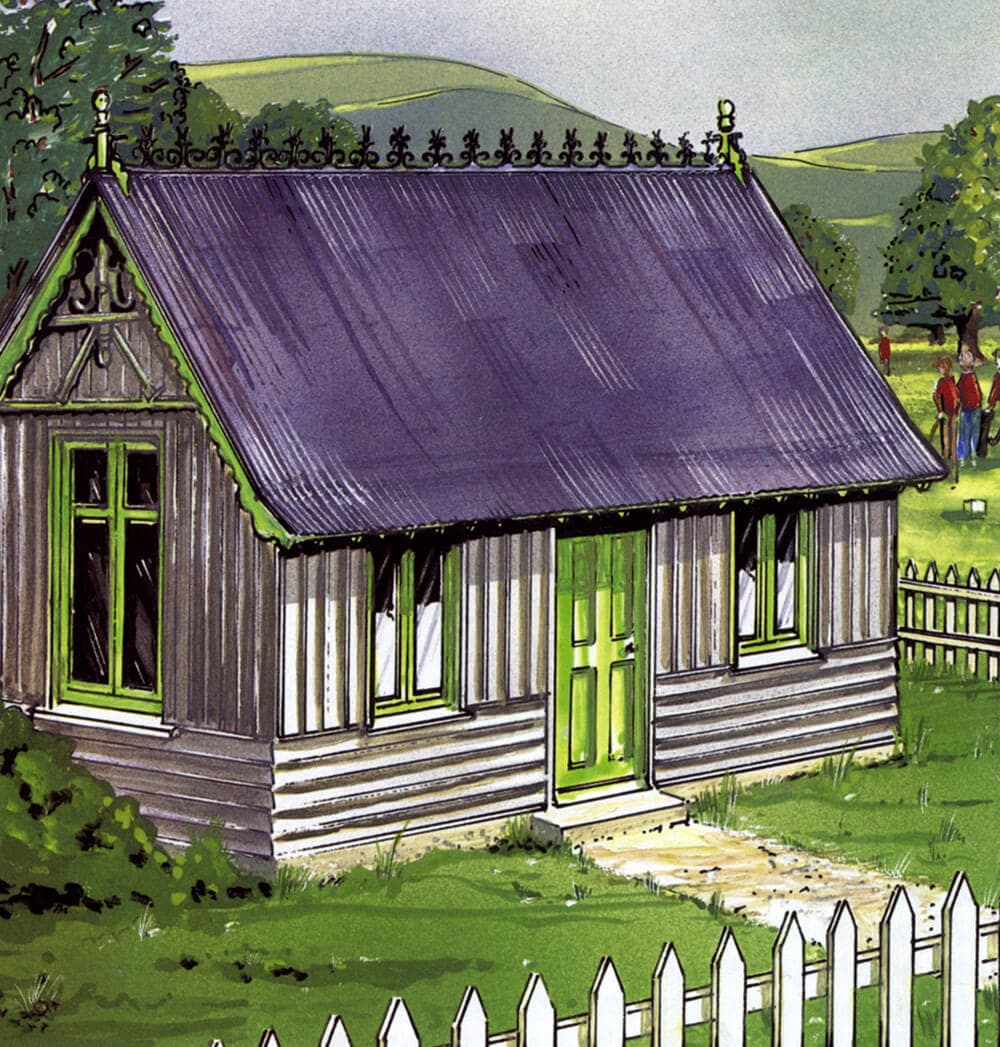
The club’s very first course was located near the Magazine Fort in the Phoenix Park on Dublin’s north side. In 1889 the club moved to its present home here on the Bull Island. To this day, the Golf Club of Dublin remains at Bull Island Nature Reserve (sometimes referred to as Dollymount after the strand on the island) less than 20 minutes from Dublin’s busy city centre.
- 1891
The Dublin Golf Club Becomes the Golf Club of Dublin
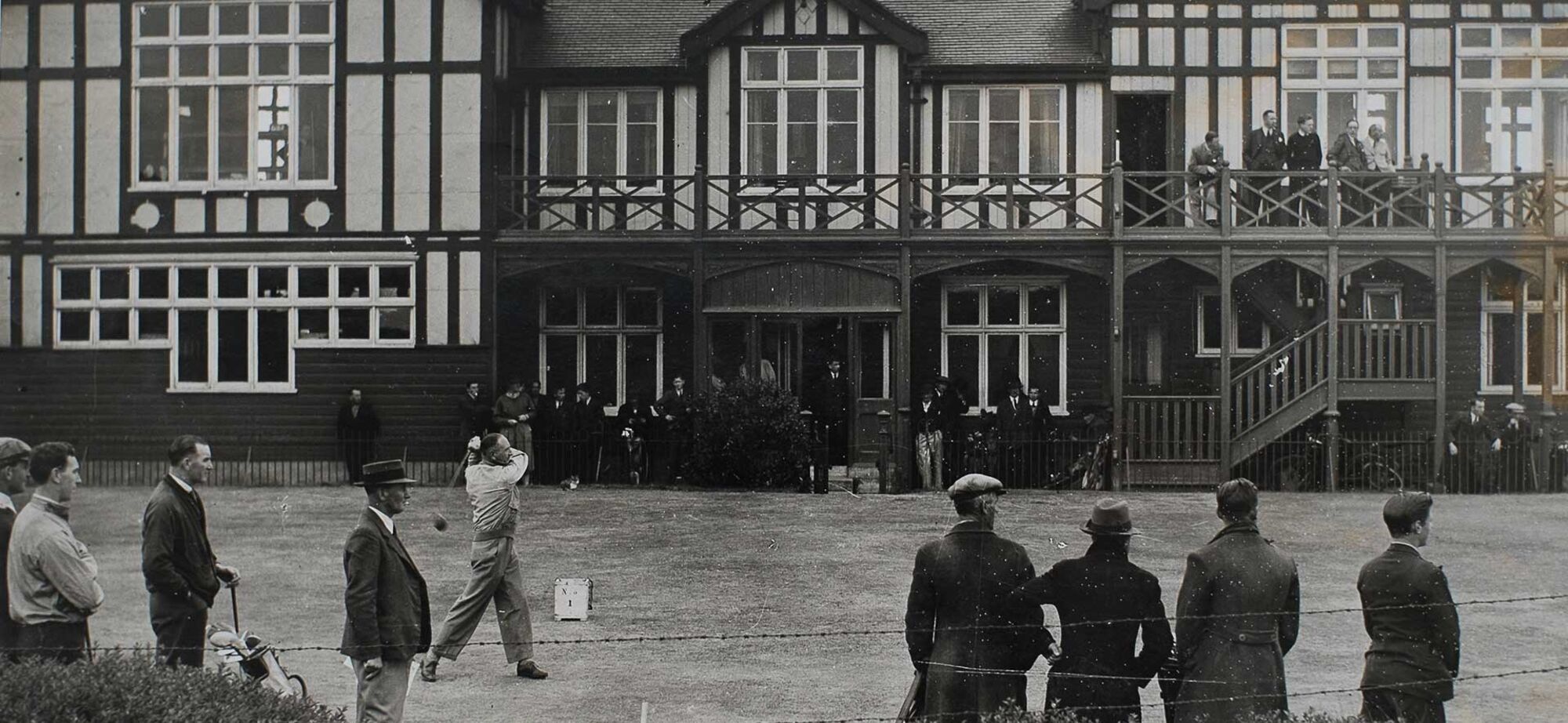
With around 250 members (who each paid eight guineas to play and a membership subscription of £2 annually), the growing club extended its clubhouse and sought permission to lay a water pipe between the coastguard station and the clubhouse.
- 1894
The Irish Amateur Open is Held at the Golf Club of Dublin for the First Time
The Irish Amateur Open is Held at the Golf Club of Dublin for the First Time
The Irish Amateur Open went on to be played 29 times in total on the challenging Bull Island links. The most recent Irish Amateur Open was hosted at the Golf Club of Dublin in 2016.
Thomas Mitchell Morris, known as Old Tom Morris, the legendary Scottish professional and course designer associated with St Andrews, visited the Golf Club of Dublin in 1894 at the age of 73 and played two matches, halving the first but winning the return match the following day.
"Is there need to add," said a report, "that all the members of the Club gave a hearty welcome to the grand old champion, that we look forward to another visit from him soon, and that he departed with good wishes for his success at Sandwich during the Championship Meeting?"
b_800_578.jpg)
- 1913
Leinster Golf Founded with Support from Golf Club of Dublin
12 Dublin golf clubs form Leinster Golf at the inaugural meeting in Dublin in 1913.
Michael (Dyke) Moran wins his 5th Irish Professional Championship in a row.
Michael "Dyke" Moran was born in a very small one-roomed cottage with a tin roof in the demesne of the Golf Club of Dublin. The cottage, located between the 3rd and 13th holes, was called Curley's Yard after Michael’s grandfather Patrick Curley, Curley's Yard still exists to this day.
Michael Moran finished joint 3rd place with Harry Varden in the 1913 Open at Hoylake, Royal Liverpool.
It is thought that he would have placed higher but for the high winds that prevailed on the day. JH Taylor, winner of the Open at Hoylake that year, on Michael "Dyke" Moran’s performance: "Mike Moran, a small, wiry type of Irishman, was a fine player and like most of his race a rare trier and typically enthusiastic". Mike was well-placed going into the third round, but a gale blew that day and Taylor takes up the story: "I stopped to watch Moran drive off and play around the corner. Mike was a light-weight, and it is but the exact truth to state that he found it almost impossible to stand up to the ball and swing the club. I saw him play five shots before rounding the bend and a few minutes later word came that he had taken ten for the hole and his chance virtually gone. I was sorry for Mike then, but was sorrier still when we heard some eighteen months later that he had been killed in the war when fighting as a trooper in the Irish horse"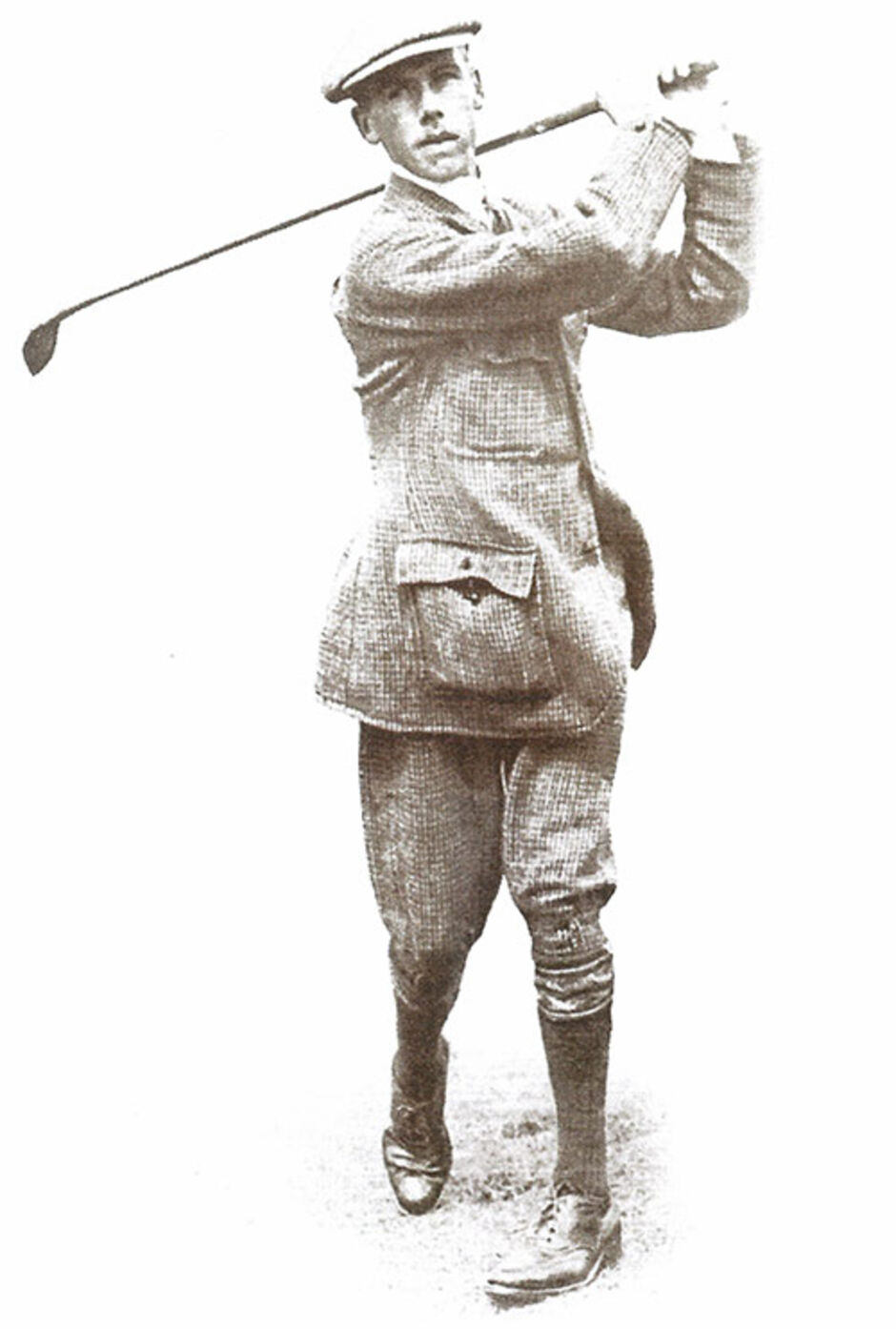
- 1914-18
The Golf Club of Dublin Links Is Taken over During the Great War for the Purposes of Musketry Training
In September 1914, the club was informed that the course and clubhouse would be required by the British military for the establishment of a temporary school of musketry for purposes of rifle training. Within a month of being informed, the members had played their last game for a full four years. During this time, club members were generously welcomed as honorary members at neighbouring golf clubs. By the end of the Great War, the links were almost unrecognisable, with no trace of most of the tees and greens.
Pictured is the 1914 Golf Club of Dublin Senior Cup team.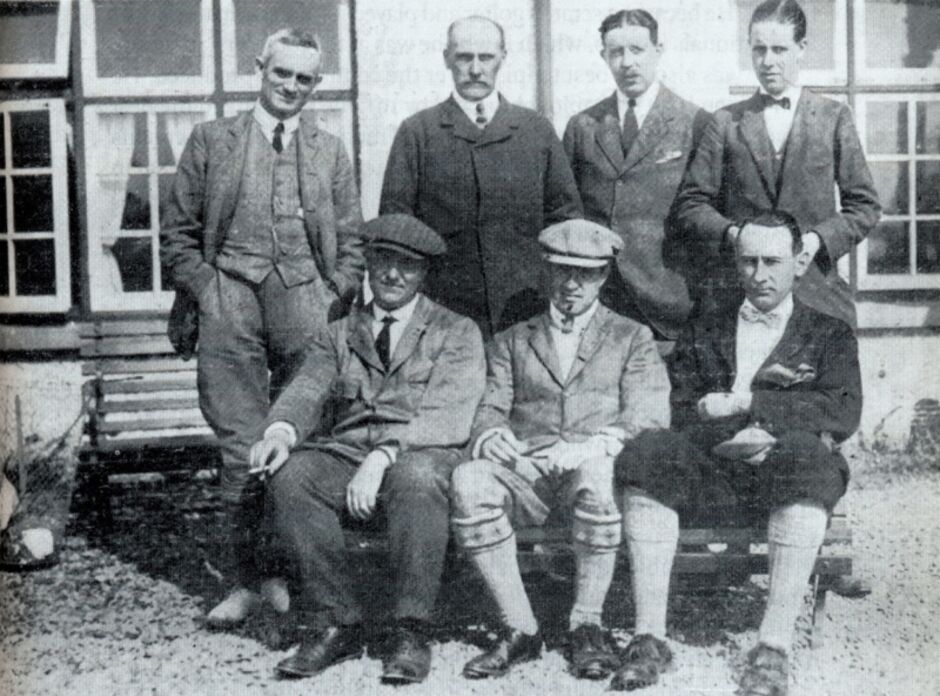
- 1920
Influential Golf Course Architect Harry Colt Designs a Traditional Links Course
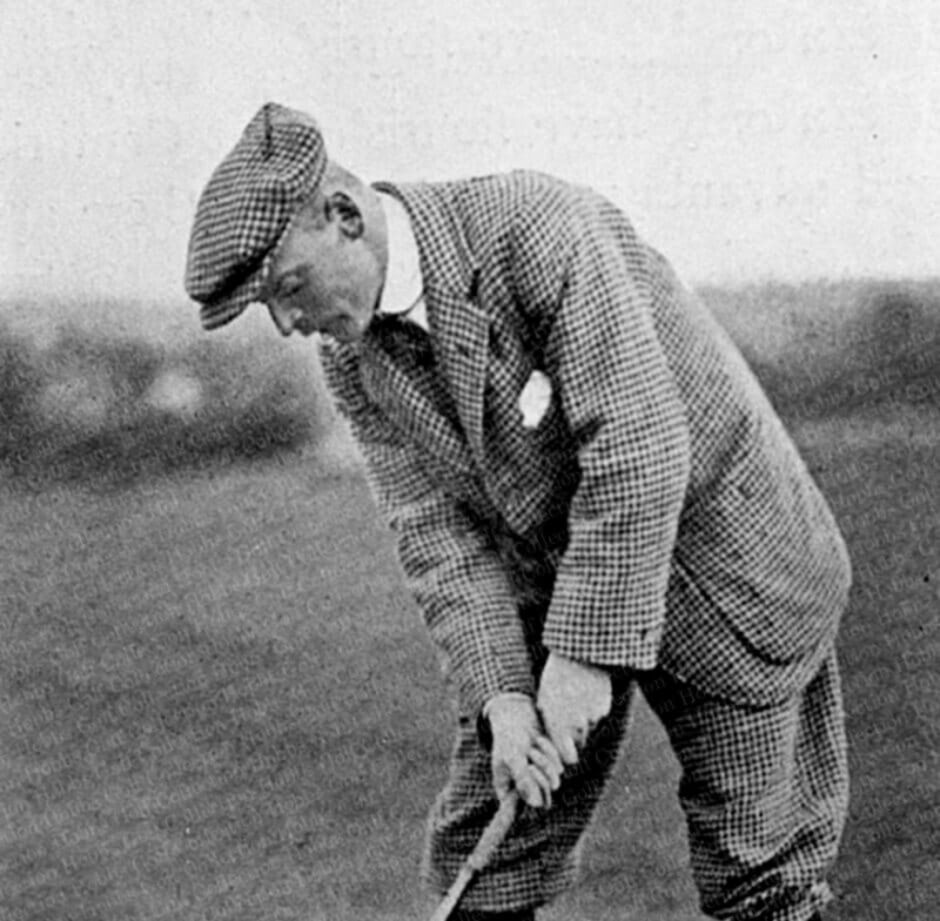
The famous golf architect Harry Colt was brought in to design the course following its destruction by the military during the First World War. His work brought a measure of fame to the club and the course has been sought out for prestigious golfing events ever since. Henry Shapland Colt, known as Harry Colt, participated in the design of over 300 golf courses either on his own or with Charles Alison, John Morrison, and Alister MacKenzie. The Golf Club of Dublin course was one of his solo designs. Colt's courses are to be found in every continent of the world and include many of the most respected courses on the championship circuit today. Perhaps more significant than his tangible legacy in terms of the courses he created is his influence on golf course architecture and its establishment as a profession in its own right.
- 1924-29
Golden Period in Irish Amateur Golf at the Golf Club of Dublin
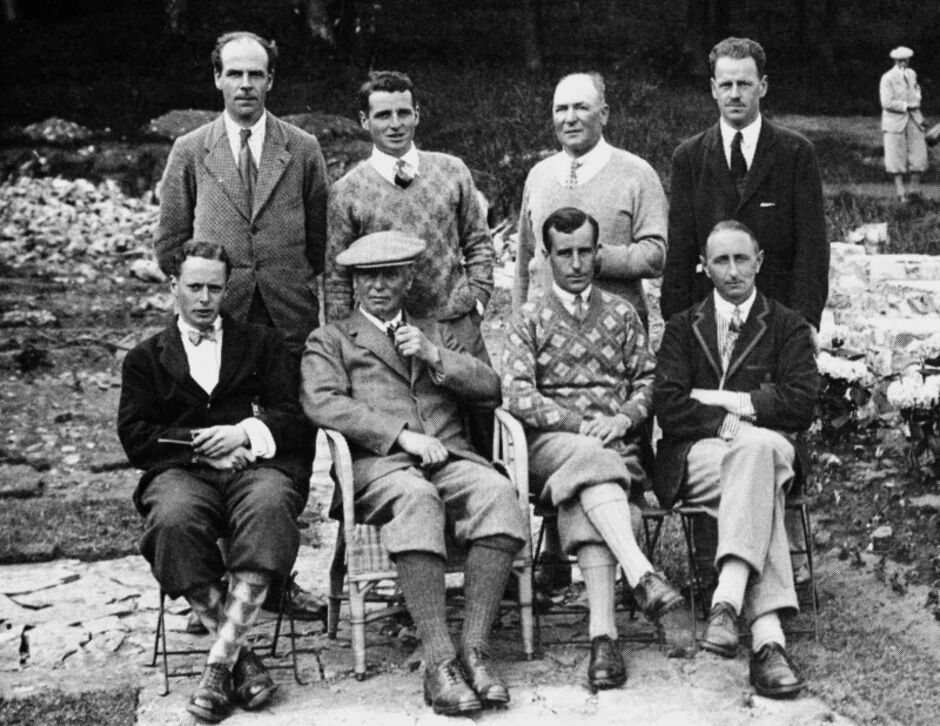
The outbreak of the First World War had meant an end to championship golf at the Golf Club of Dublin, but the Irish Amateur Open returned in 1924. By this time the course had been reconstructed and presented a stronger challenge to the competitors. The club hosted the Open again in 1927. The early days of the newly designed links coincided with a golden era for the Club's elite teams. The Golf Club of Dublin won several national championships including the Senior Cup and Barton Shield in the mid-1920s, establishing the Club as a dominant force in Irish golf of the time. This tradition of competitive golf is cherished by the members, and the Barton Shield was won most recently by the Golf Club of Dublin in 2015.
- 1931-36
The Irish Open Comes to the Golf Club of Dublin
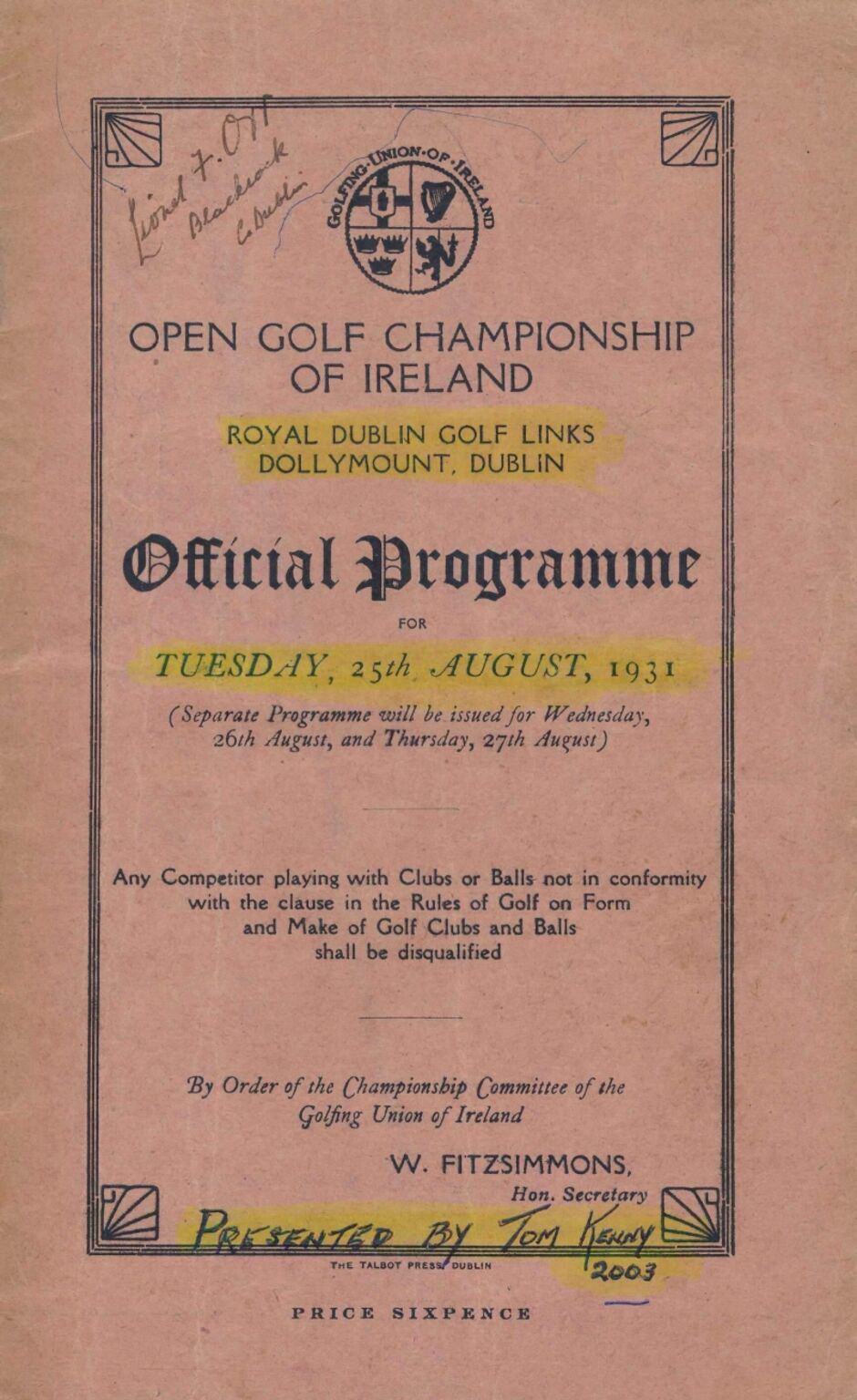
A major development in Irish golf was the staging in 1927 of an Irish open professional championship. It was played at Portmarnock but came to Dollymount in 1931 and again in 1936.
- 1943
Fire Destroys Clubhouse
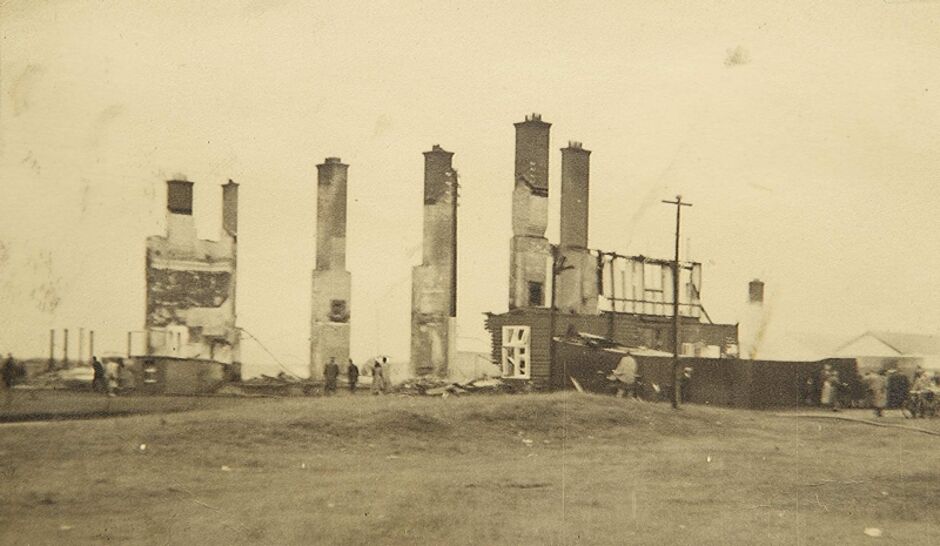
On Monday 2nd August 1943, a fire razed the clubhouse and the adjoining dwelling house belonging to the professional. The Irish Times reported that "The fire took toll of 3,000 clubs and balls, and also destroyed fifty valuable and historic clubs by Hugh Philip, a rare "Blackheath Golfer" coloured engraving and club trophies", not to mention irreplaceable original records. The course itself was unaffected and open for play on the Tuesday morning.
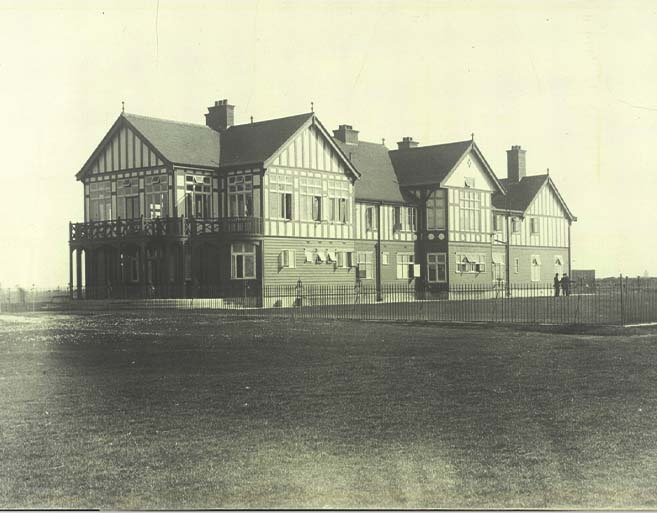
A temporary clubhouse was erected and a new one (which exists today) was opened by the Taoiseach (Prime Minister) Mr John A. Costello in 1953.
- 1959
Christy O'Connor Appointed the Golf Club of Dublin Professional
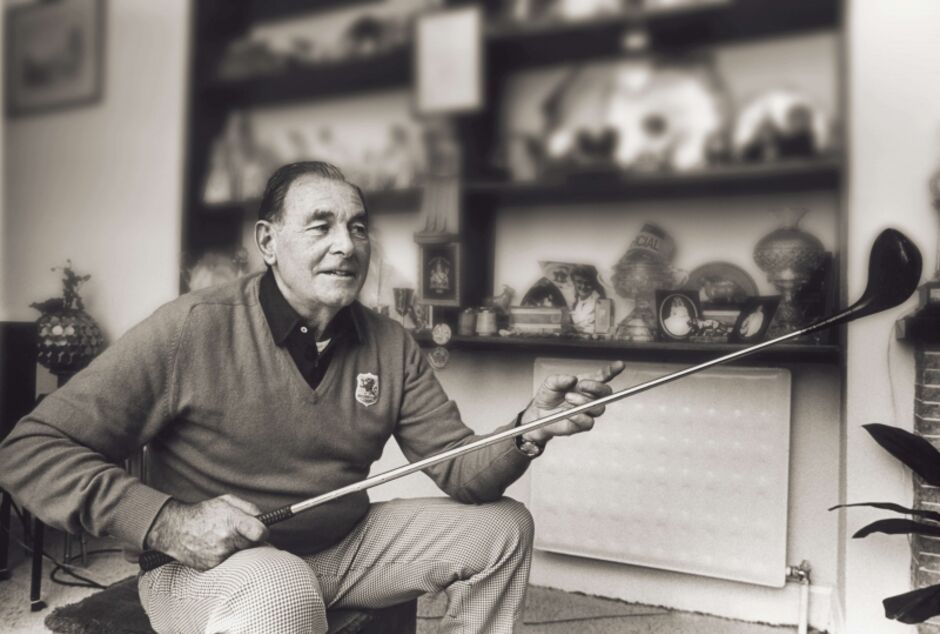
Christy O'Connor joined the Golf Club of Dublin in 1959 as club professional, and his association with the club continued for 57 years. In 1988, the members expressed the esteem in which they held the great golfer by conferring honorary life membership on ‘Himself’, as he was affectionately known. On November 2nd 2009, Christy received one of the highest honours in golf when he was inducted into the World Golf Hall of Fame in St. Augustine, Florida.
2009 marked 50 years of Christy O’Connor’s association with the Golf Club of Dublin. This video was compiled and produced by golf journalist Shane O'Donoghue to mark the milestone. It features Gary Player, John Jacobs, Padraig Harrington, Arnold Palmer and Peter Alliss. Christy O'Connor Senior died in Dublin aged 91 on May 14th 2016.
- 1960-70
The Legends Play the Golf Club of Dublin
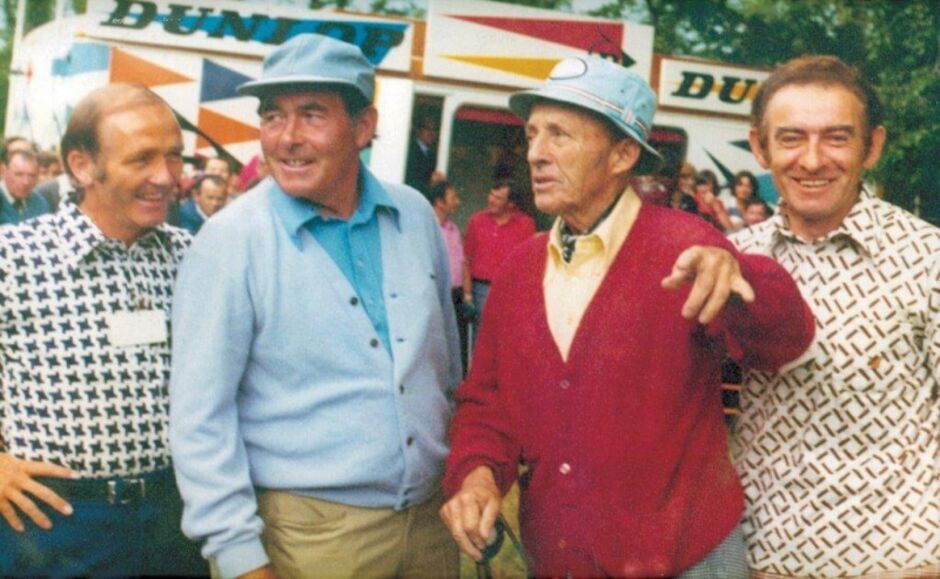
Amongst the many stars of the worlds of sport and entertainment that played golf at Dollymount in the 1960s were Bing Crosby and Bob Hope. They were, perhaps, the biggest stars of their time and, as is evident from the photographs, fully enjoyed their visits to Dollymount.
- 1983-85
Golf Club of Dublin Hosts The Irish Open in 1983, 1984 and 1985
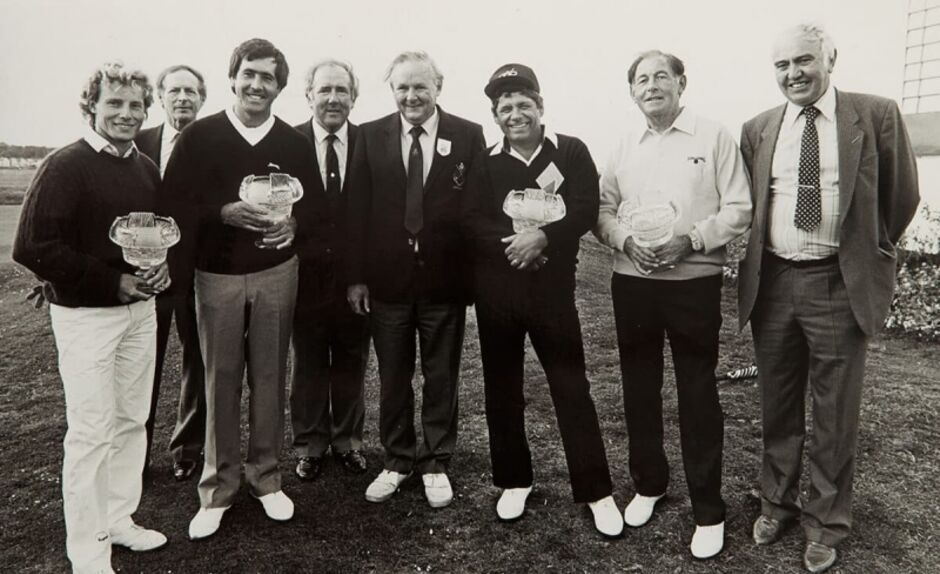
Golf was growing in popularity in the 1970s and 80s, so when the Irish Open came to a venue as accessible as the Golf Club of Dublin in 1983, 1984 and 1985, huge crowds availed of the chance to see their heroes in action in person. And the stars didn’t disappoint.
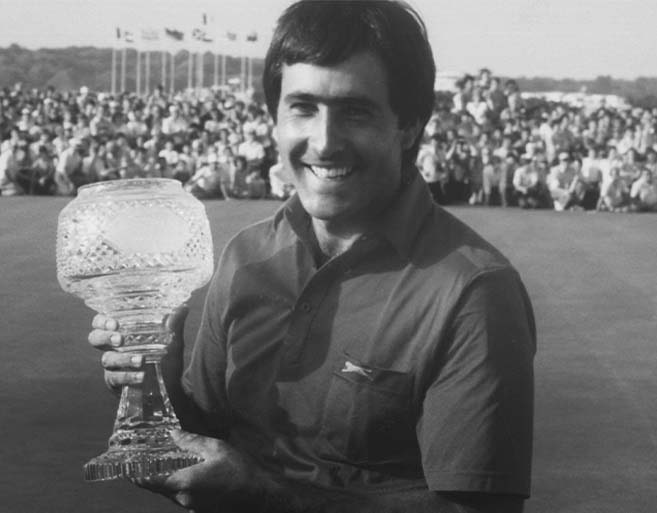
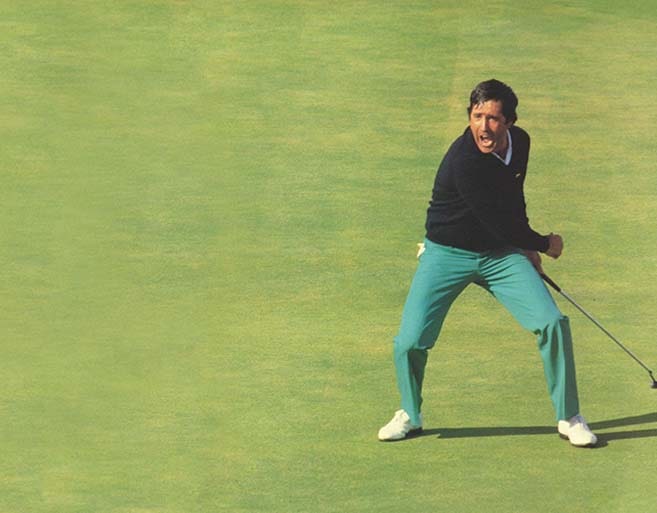
The two biggest stars of the time, Seve Ballesteros and Bernhard Langer each won an Open; Ballesteros in 1983 and Langer in 1984. In 1985, neither wanted to give way to the other. After 72 holes, they were tied so they were sent back out on the course for a sudden death play off. They tied the 17th, the 18th, the 17th again, and then Seve holed one of the great putts in championship golf: a 40-foot gem across the 18th in front of crowds hanging out of every possible vantage point to win the tournament. It was a magic moment in sport, engraved on the minds of everyone who was lucky to be there.
- 1990s
Irish Amateur Open Returns to The Golf Club of Dublin in the 1990s
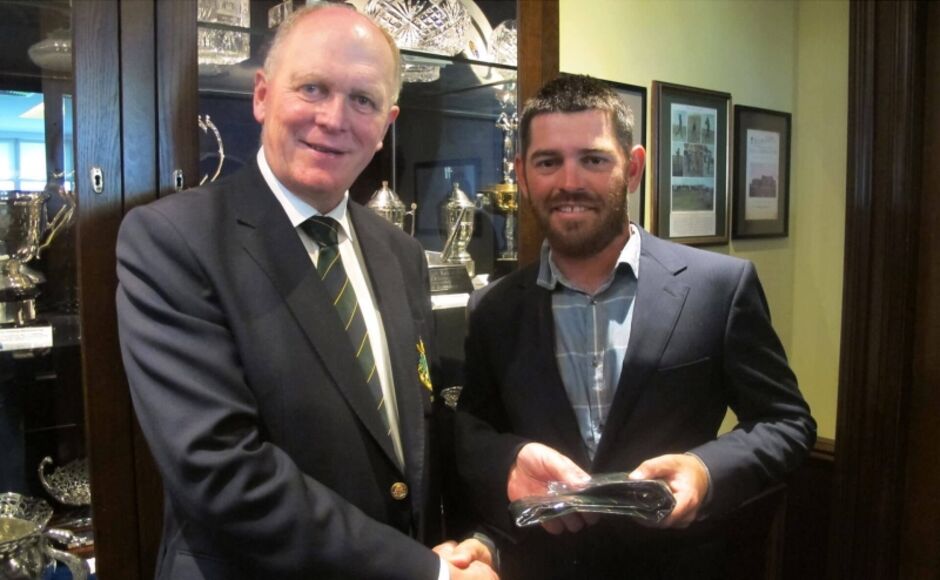
In its early days, the Irish Amateur Open was rotated between the four premier courses in Ireland: the Golf Club of Dublin, Royal Portrush, Royal County Down and Portmarnock. In the 1990s, the competition was revived and since then, the Golf Club of Dublin has become something of a spiritual home to the event. Amongst the many great winners of the Open at Dollymount was Louis Oosthuizen, the South African who went on to win the 2010 Open Championship.
- 2000s
Course and Clubhouse Renewal
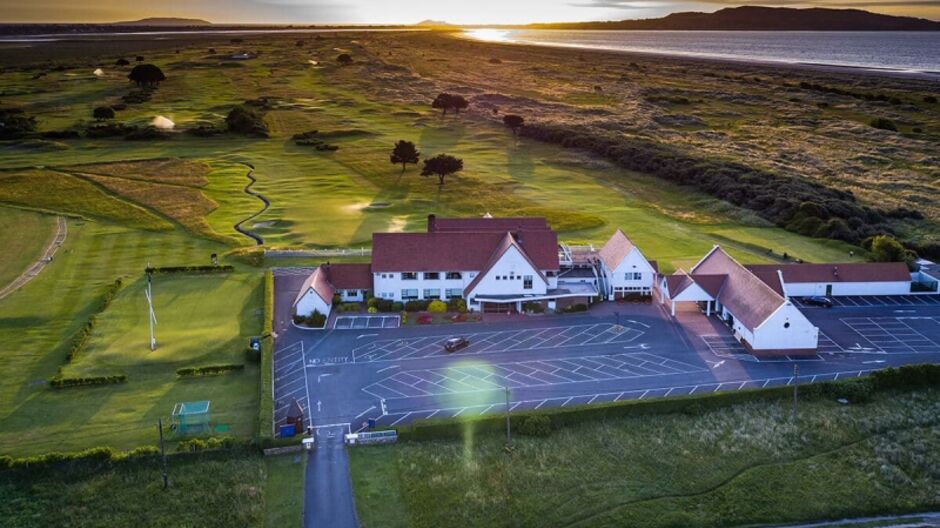
In the 1990s, all golf courses began to be challenged by the prodigious length of elite amateurs and professionals. The development of new clubs and, especially, of the golf ball meant that traditional lengths for par-4 golf holes were being overwhelmed. Having thrived on a traditional Harry Colt design for 80 years, the members were acutely conscious of their special inheritance, but realised the links needed to be refreshed. The doyen of current golf course architects, Martin Hawtree, was invited to review the links and propose alterations. He did so brilliantly, keeping the essence of Colt's genius, while redesigning just three holes in full - the 6th, 7th and 8th. Subtle alterations to other holes, accompanied by the raising and contouring of all 18 greens, has resulted in a classic championship golf links. The Golf Club of Dublin is not a place for the faint-hearted golfer: it requires skill, courage and persistence in equal measure to score well.
- 2007-16
Irish Amateur Open Is Held for Ten Consecutive Years at Golf Club of Dublin
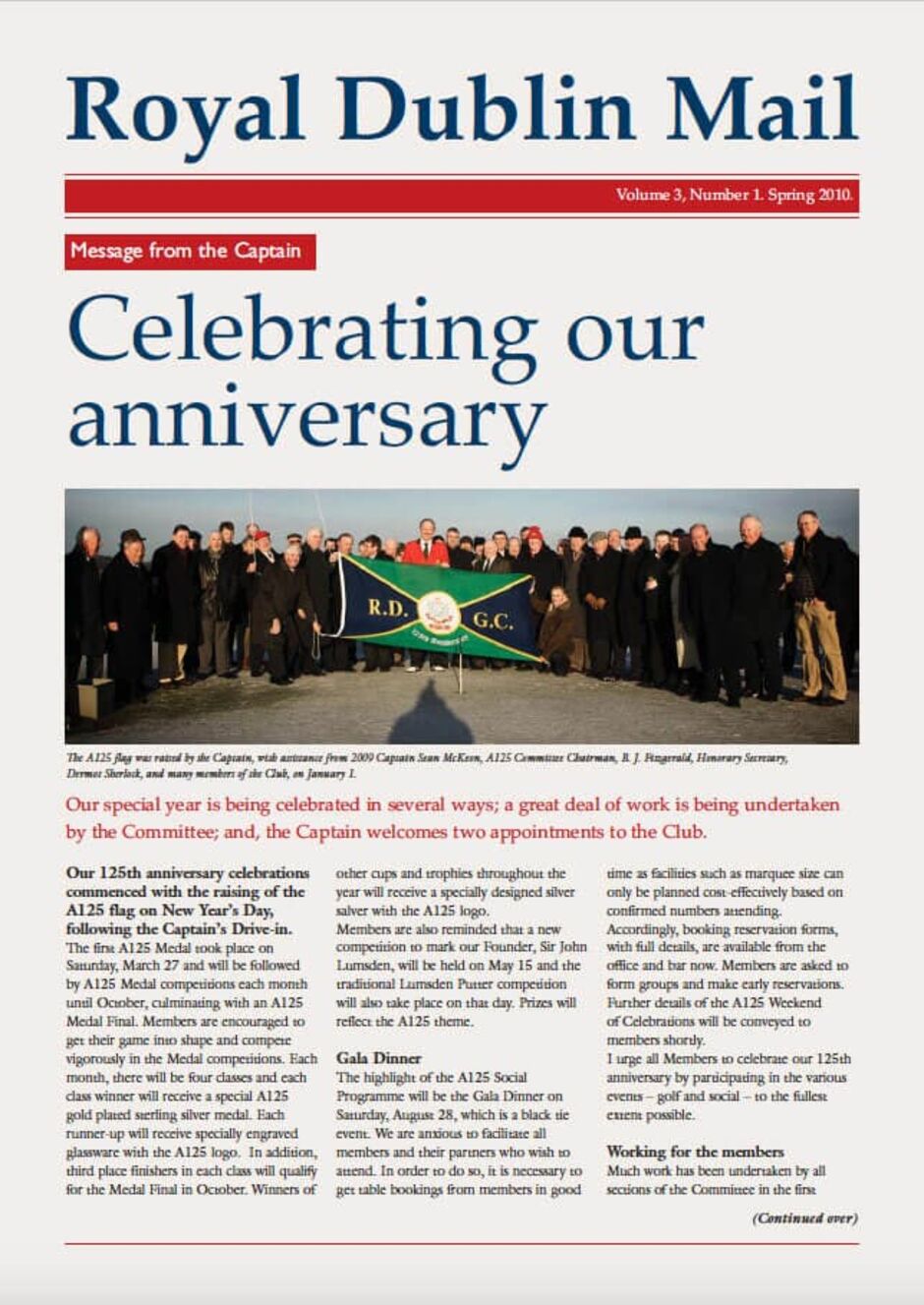
Golf Club of Dublin hosted the Irish Amateur Open from 2007 to 2016 inclusive. In midst of this, the club celebrated its 125th anniversary in 2010 with a gala dinner and night of entertainment. Members, guests, representatives from the R&A and our reciprocal clubs from around the world gathered to mark a great milestone in our history.