Course Status
For the months of June, July and August, the range (long game area) will be closed until 10am every TUESDAY morning for essential maintenance. No other restrictions in place.
Updated: 2nd Jun 2026
Sustainability
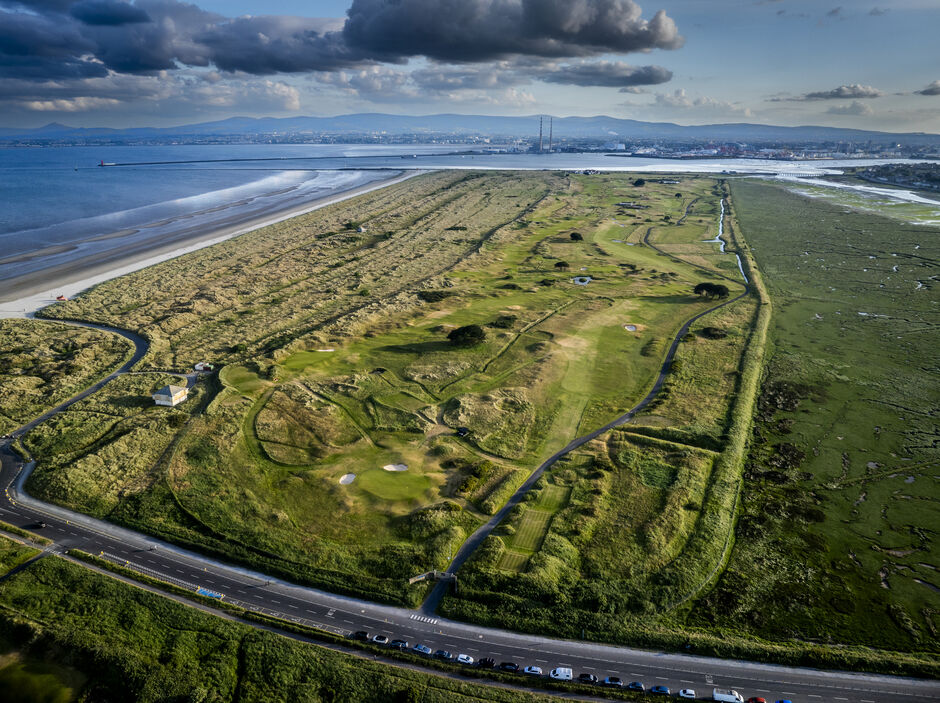
The Golf Club of Dublin - Bull Island Nature Reserve
Ethos
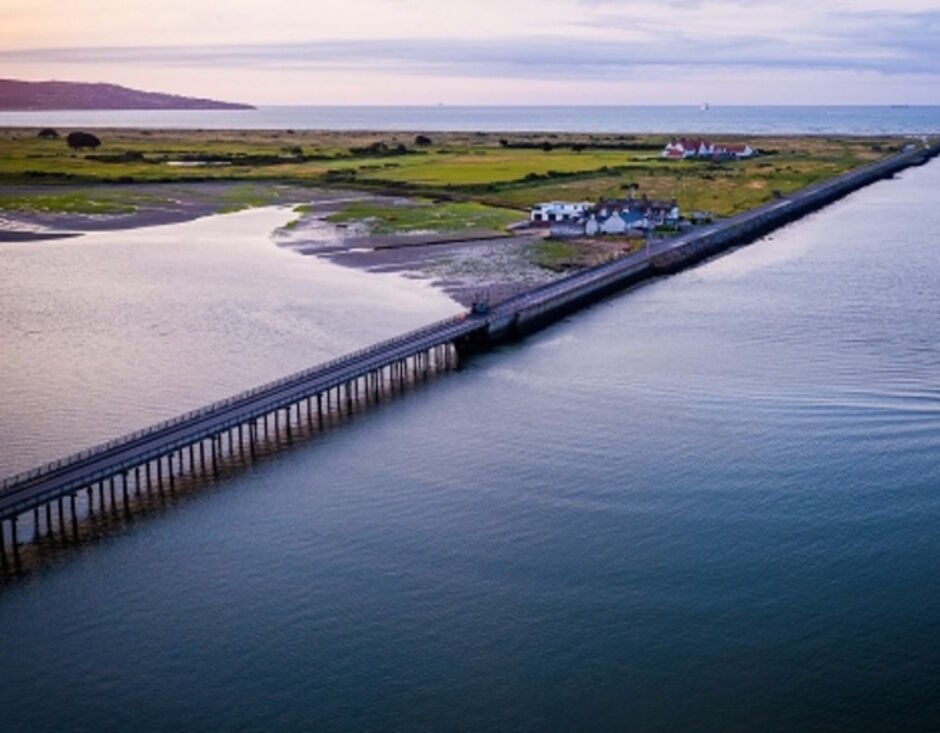
At the Golf Club of Dublin, we are committed to protecting the rich and diverse wildlife that exists in and around our club grounds in addition to reducing our carbon footprint and striving to be a positive influence on the local community. Bull Island, which has been the home of Golf Club of Dublin since 1889, has the most designations of any site in the country, which includes a National Bird Sanctuary, a Biosphere Reserve, a National Nature Reserve, a Special Protection Area under the EU Birds Directive, and a Special Area of Conservation under the EU Habitats Directive, while also being the subject of a Special Amenity Area Order. For this reason, we feel it is our responsibility to be custodians of nature in such a unique and awe-inspiring location as Bull Island.
What Have We Done?
Native Irish Honeybee Conservation Area
In 2023, the Golf Club of Dublin was designated as a native Irish honeybee conservation area by The National Irish Honey Bee Society (NIHBS). This designation requires the club to only keep native Irish honeybees in order to produce our honey. The European dark bee (Apis mellifera mellifera), also known as the native Irish honeybee is one of the only remaining pure blood population of bees in the whole of Europe meaning that it is perfectly adapted to survive in Ireland’s particular climate and floral habitats, a result of thousands of years of natural selection. It is however under threat of extinction due to hybridization with imported bees which has been the case with bee populations across the rest of Europe. This is why Golf Club of Dublin has become one of the first golf clubs in the country to be classed as a bee conservation area, and we hope we can lead by example for other establishments across the country to follow suit and make a meaningful impact on the ecological integrity of Ireland's insect populations.
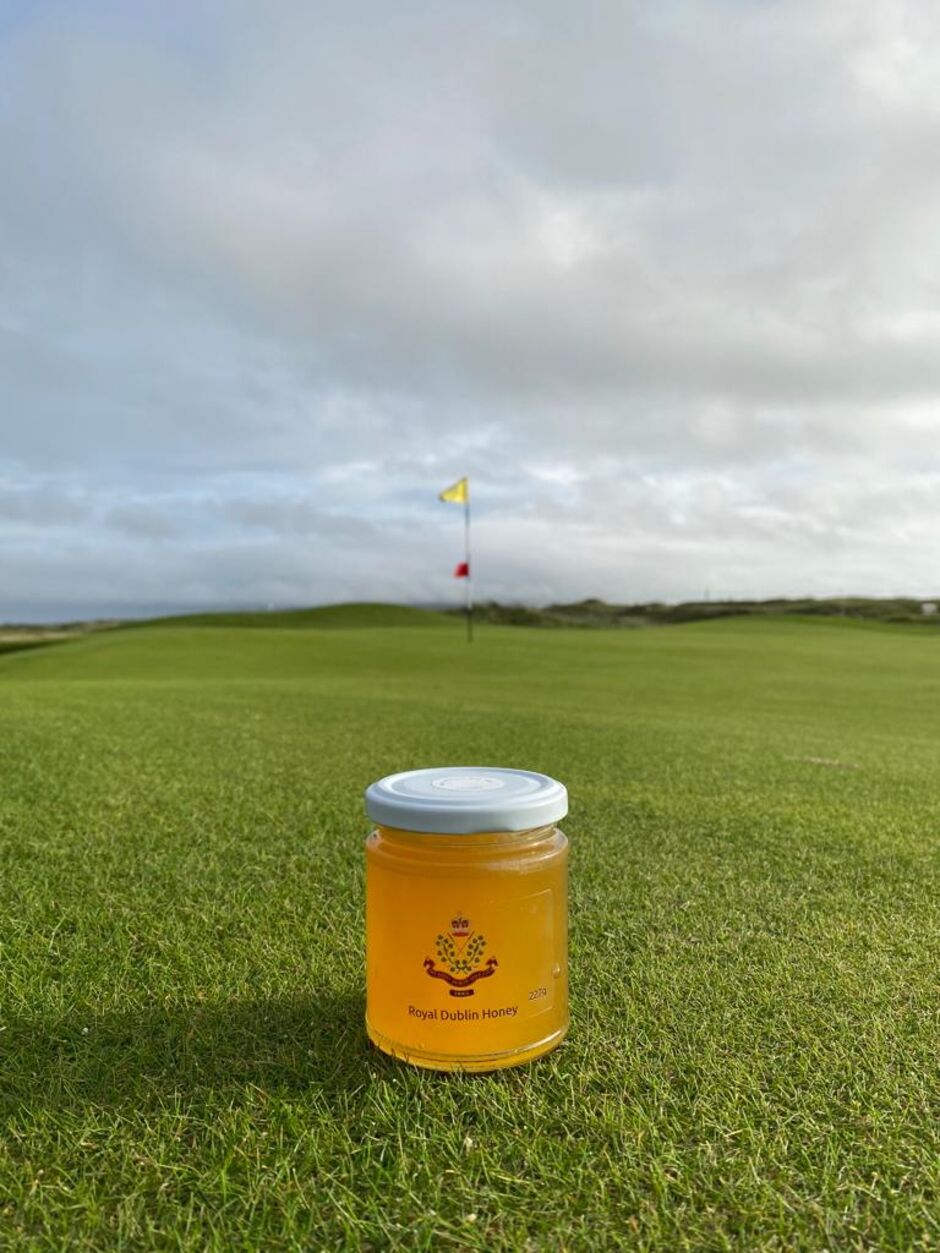
The Golf Club of Dublin Honey
Lesser Centaury Protection Area
The Golf Club of Dublin is home to the Lesser Centaury (Centaurium pulchellum), which is an extremely rare and threatened flower that is legally protected under the Flora Protection Order 2015. After several surveys carried out over the years, certain areas have been flagged as areas or potential areas where the plant proliferates, most notably around the nursing area. In order to ensure the revival of healthy populations within the club, we are in the process of ecologically managing these areas based on the recommendations of our consultant ecologist, Faith Wilson. This consists mainly of applying the correct hydrological regime in addition to recreating the ideal soil conditions that help the Lesser Centaury thrive. We are hopeful that through this process, Golf Club of Dublin can do its part in bringing this magnificent flower back to life.
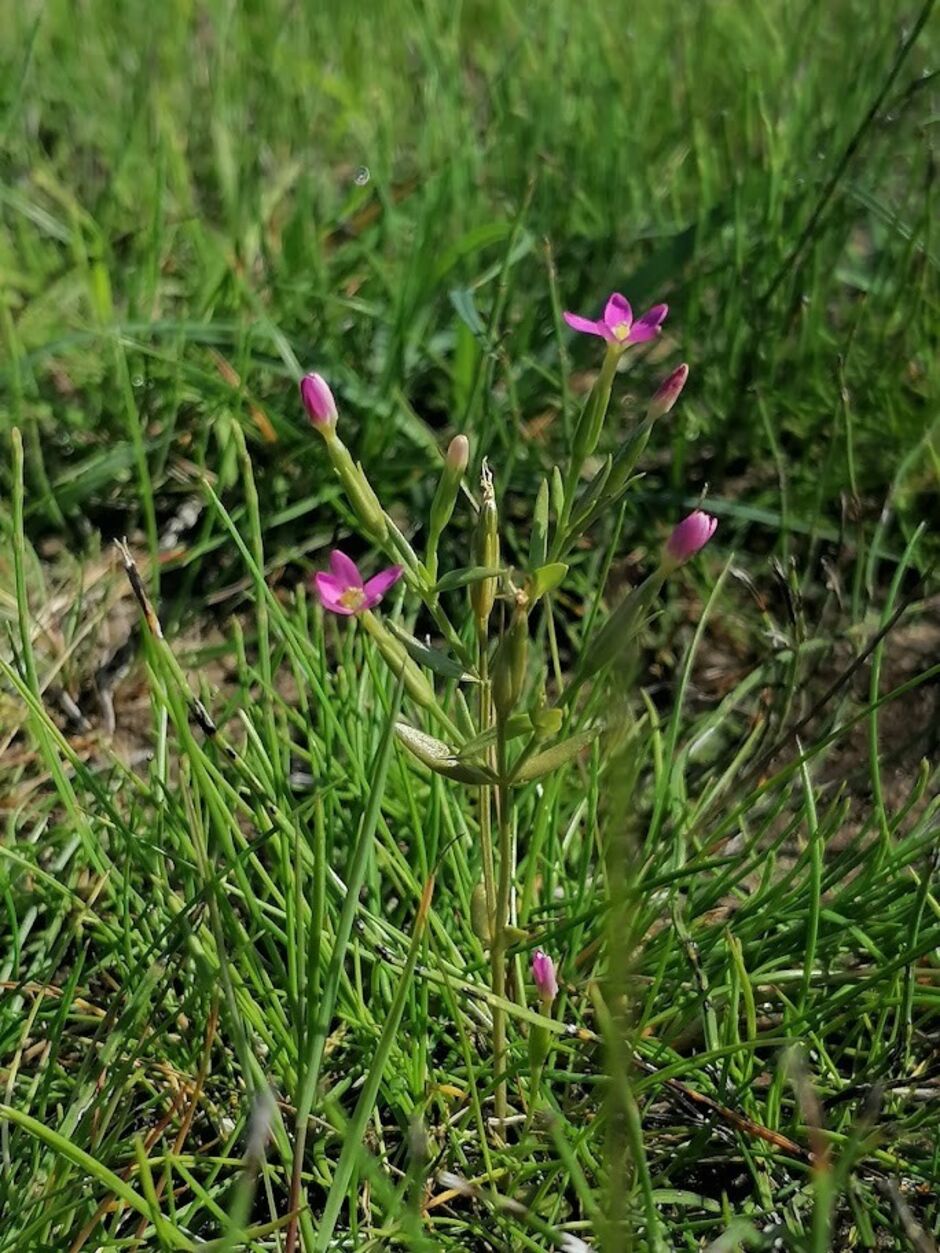
Lesser Centaury
Sustainable Water Resource Management
With water management becoming a growing issue each year across all sectors, it is vitally important that businesses find ways that help reduce their water consumption. And golf is certainly no exception to this. This is why we invested in alternative modes of water usage. Luckily the course sits on large reserves of water that are replenished every year. In addition to this, the club practices sustainable methods of water usage when irrigating the course.
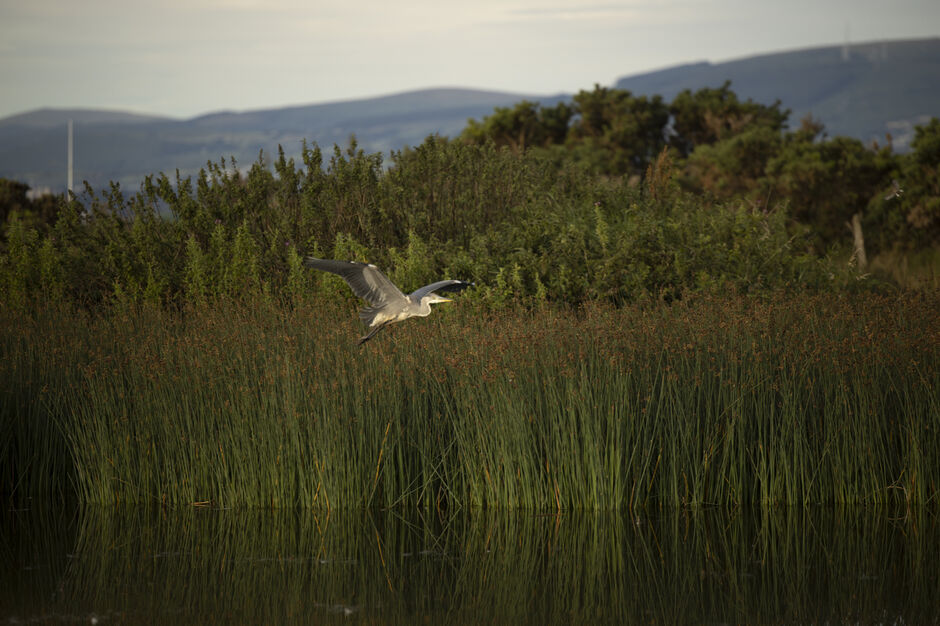
A Heron on the Lake
Wildlife Surveys
Over the years we have conducted a number of ecological assessments on the golf course to identify any ecological sensitivities that we may have and subsequently, we have modified our work practices to ensure we work in harmony with our environment while promoting the ecologically diverse wildlife that exists here. The recommendations based on these surveys have been the impetus that has driven many of the achievements that have been made at the club in recent years.
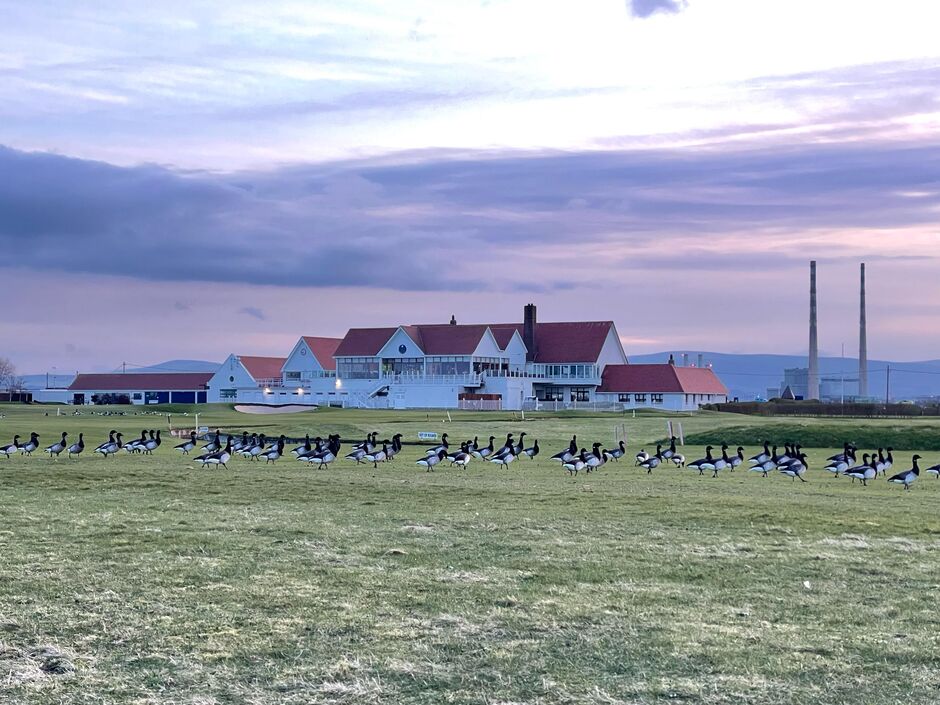
Brent Geese
Habitat Creation – Dune Slacks
Within nature, the greater the number of diverse habitats in an environment, the greater the possibility of biological variance that can occur within that area. That is why this year we embarked on creating dune slacks on what would have otherwise been grassland of little biological importance. As Golf Club of Dublin is located in a dune habitat, it made the most ecological sense to create a dune slack. Dune slacks are home to interesting types of vegetation and can be a haven for different animal species including birds and amphibians. We look forward to examining how the habitat evolves over the years.
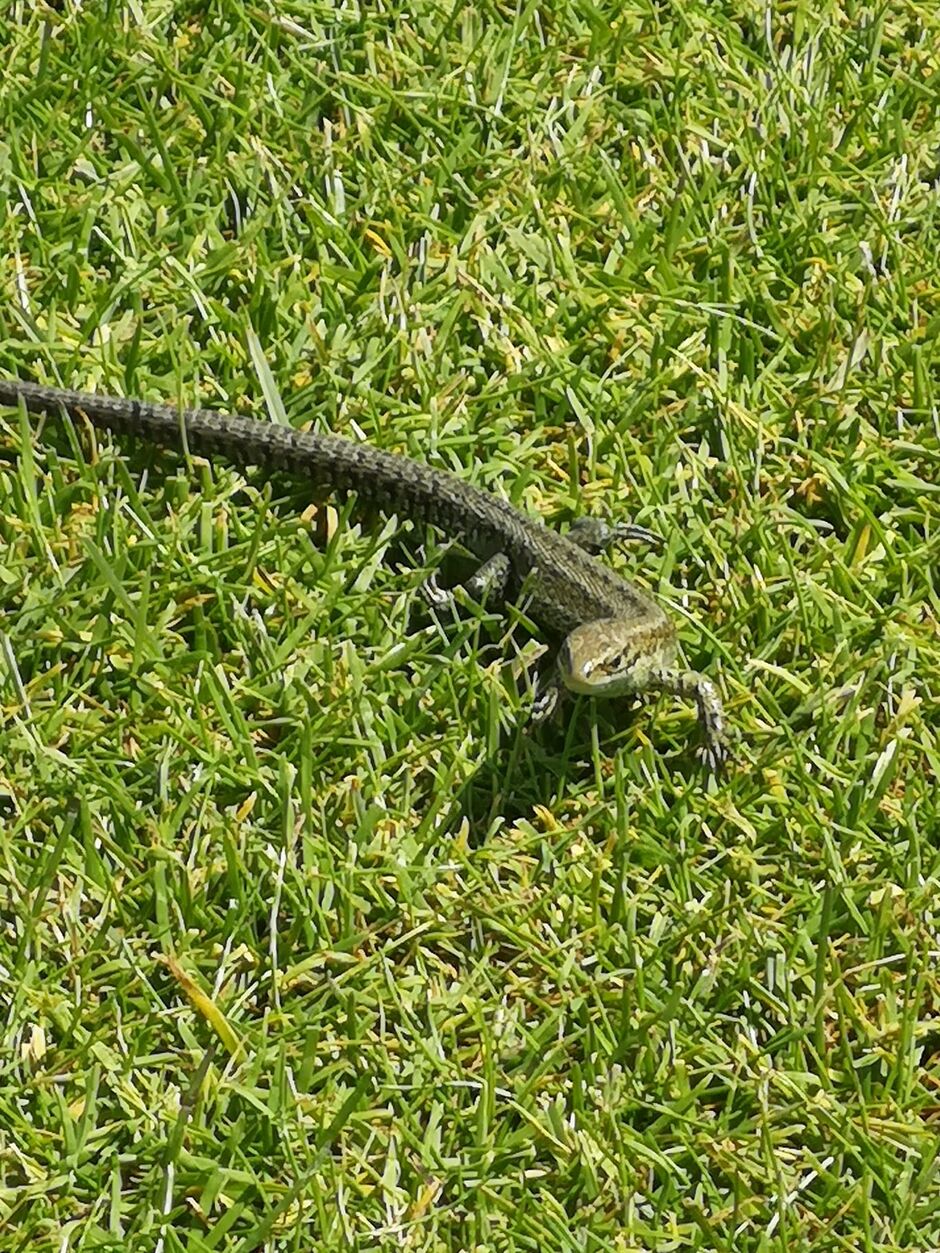 A Common Lizard
Invasive Species Management
The removal of invasive species is a fundamental aspect of safeguarding the stability of a robust ecosystem. At Golf Club of Dublin, we are determined to eradicate as many invasive species as possible over the coming years. Although there are quite a few invasive species, the most notable are Sea Buckthorn, Holm Oak, Butterfly Bush, Cordyline, and Winter Heliotrope. We have made significant progress over the past few years, but it is an ongoing battle. We are also doing our best to eradicate them without the use of herbicides which, although more time-consuming, is much better for the surrounding wildlife. The photo is of sea buckthorn that was removed in 2019 by digging out the bushes/trees in their entirety and the material was subsequently chipped and removed off-site.
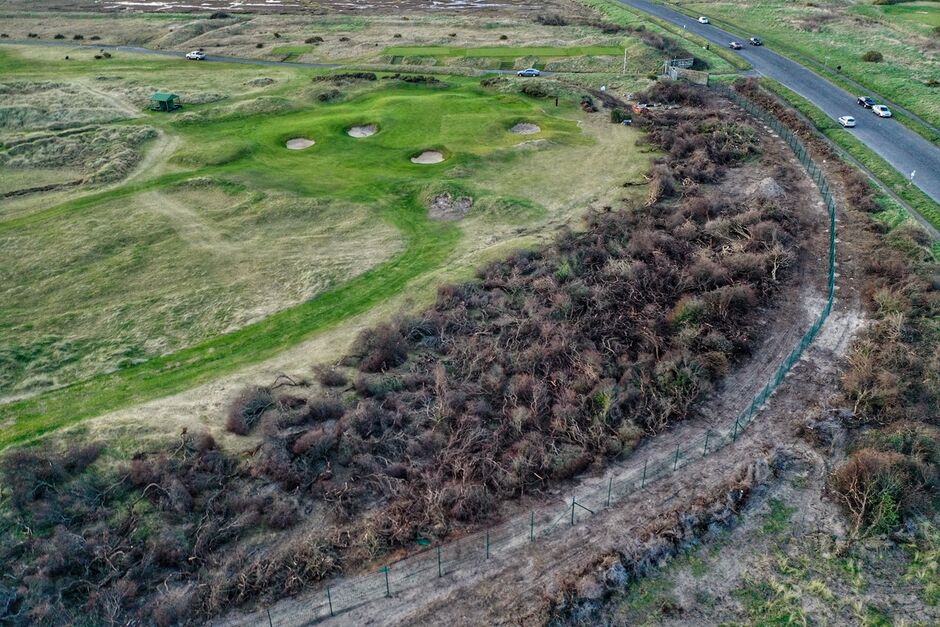
9th Green and Buckthorn Removed
Awareness and Communication with Membership
At Golf Club of Dublin we think it is important to inform our members of the progress the club is making on its sustainability journey. This is primarily achieved through sustainability articles in the club's newsletter. In these articles we like to inform the members of any projects we are undertaking as well as articles about various ecological and environmental topics. These are intended to encourage golfers to pay more attention to some of the rare and wonderful habitats and the species contained within them.
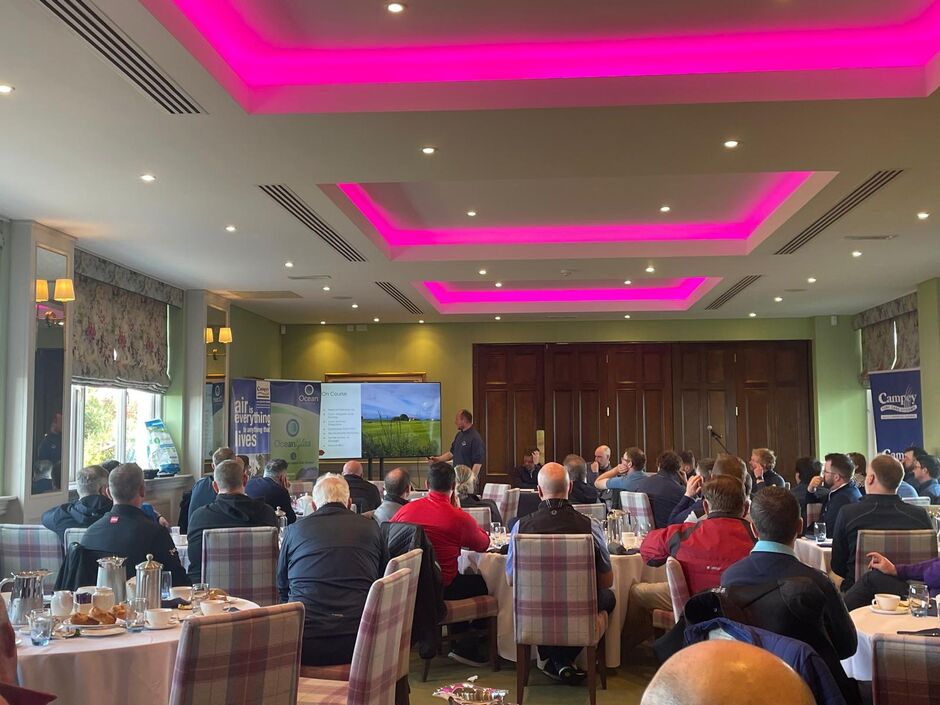
Chris Greely Presenting Sustainability
Brent Geese Haven
As Bull Island is considered an area of international importance, the club has been nestled within a bird sanctuary since 1931. This brings a number of remarkable Winter visitors to the club every year. One of the most prevalent visitors are the large number of Brent Geese that can be seen feeding on the fairways throughout the Winter months. A recent study has shown that Golf Club of Dublin has one of the highest Brent populations in all of Dublin.
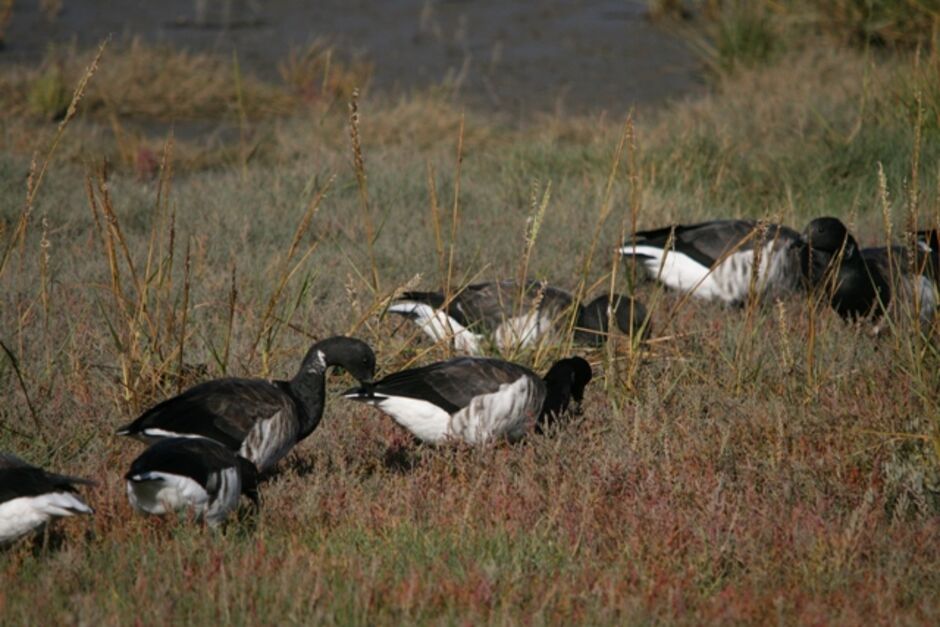 Brent Geese Feeding
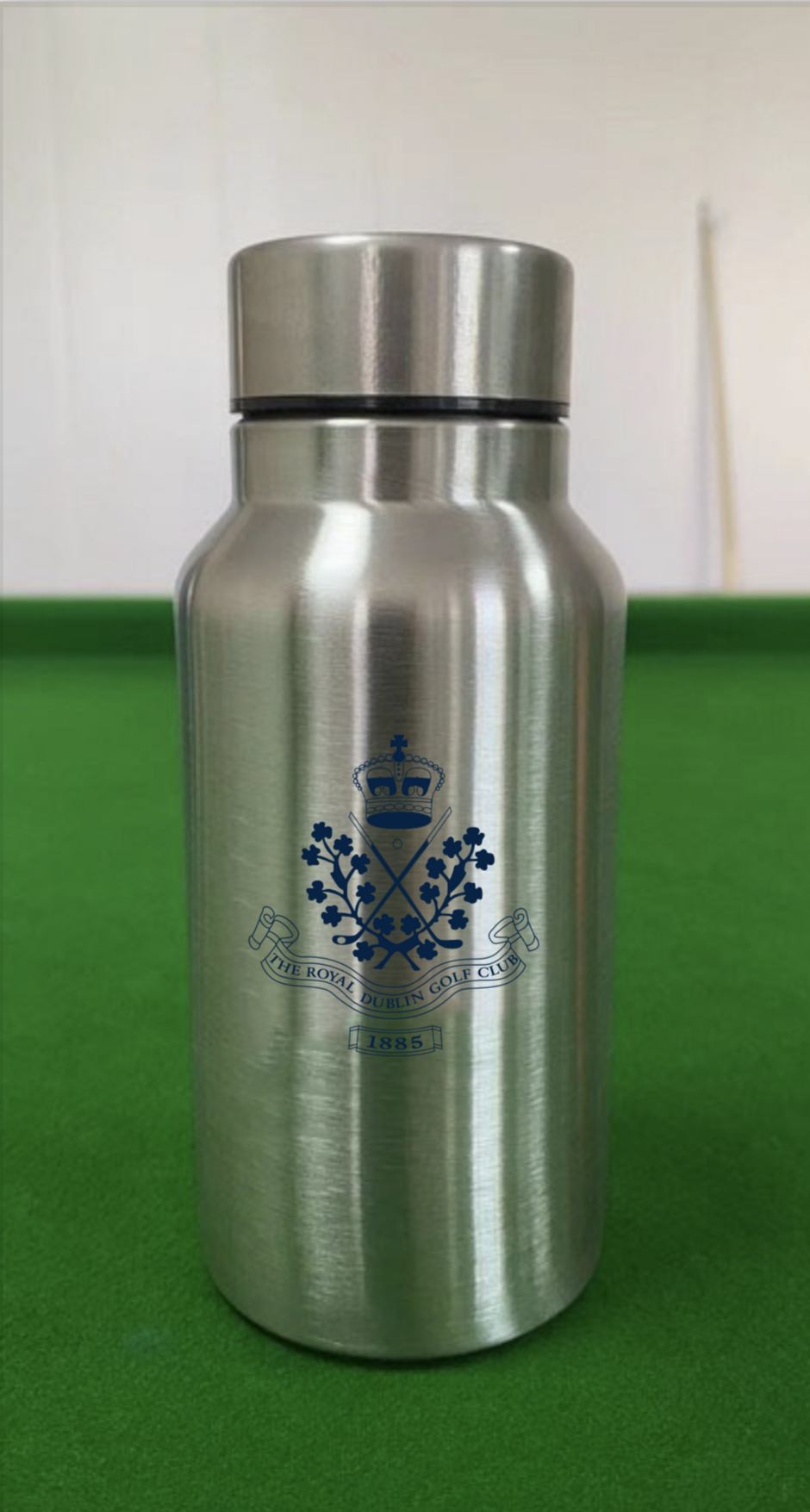
Reducing our Single-use Plastic
In a further step to minimize the club's waste output and carbon footprint, we have started an initiative to reduce the need for single-use plastic. We have done this by giving guests free water containers on arrival that they can then fill up on the course with our new solar-powered water stations. We have also brought in compostable coffee cups in the Pro Shop. Going forward, we plan to expand this programme so that the club can be free of single-use plastics.
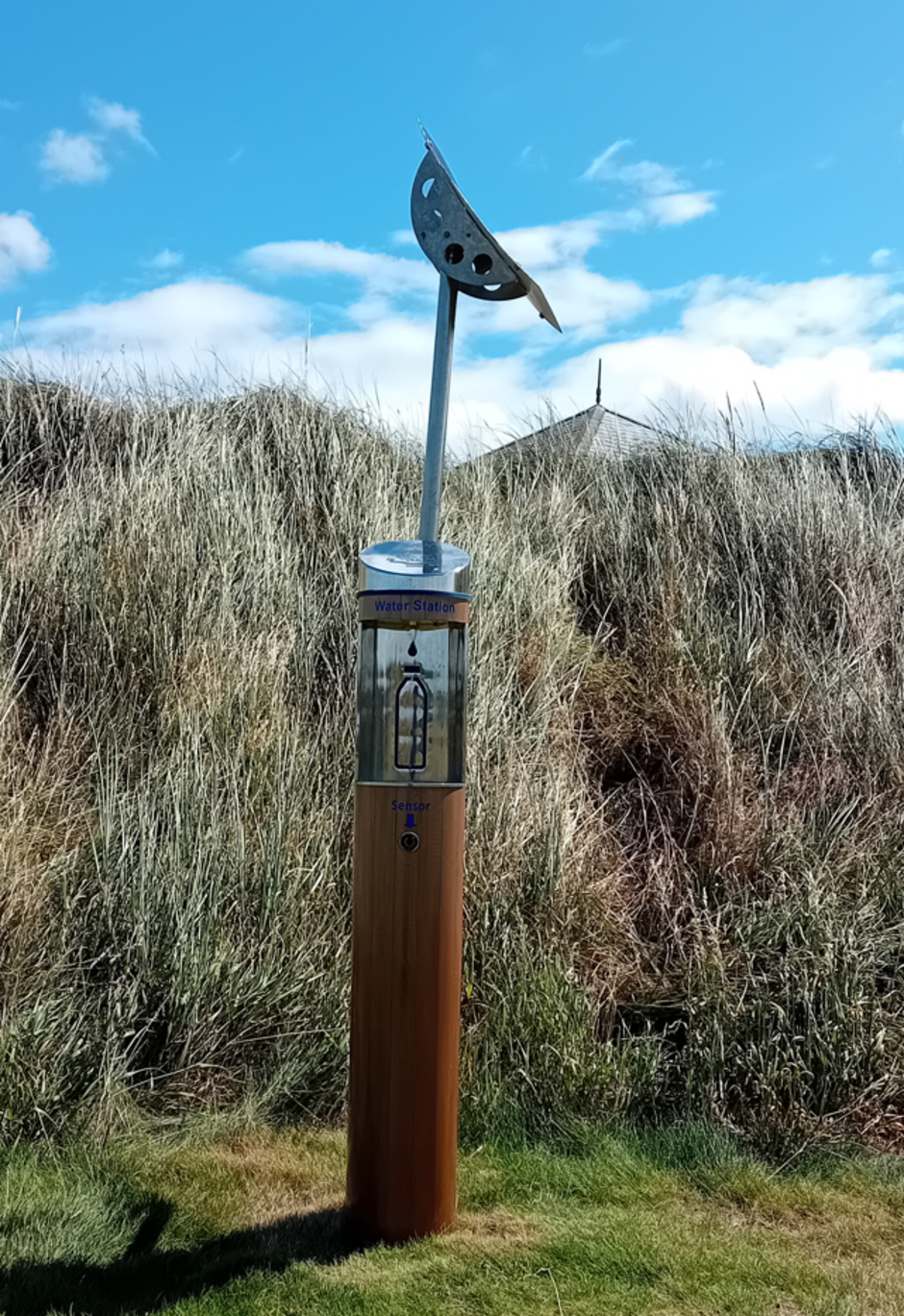
Natural “Bug Hotel”
Insects and other kinds of invertebrate species play a pivotal role in all ecosystems and due to a number of factors, many species populations have reduced significantly in the last few decades. For this reason, it is important to help wild populations in any way we can. One common trend is to make bug hotels out of used materials. At Golf Club of Dublin we decided to try and recreate the natural habitats that invertebrates tend to thrive in. We did this by simply designating one or two areas and placing discarded twigs and branches that had been collected during Winter clean-up. Though a somewhat rudimentary approach, this method is as close to a safe and natural environment for invertebrates as can be created, which is the attitude we prefer when it comes to safeguarding biodiversity at Golf Club of Dublin.
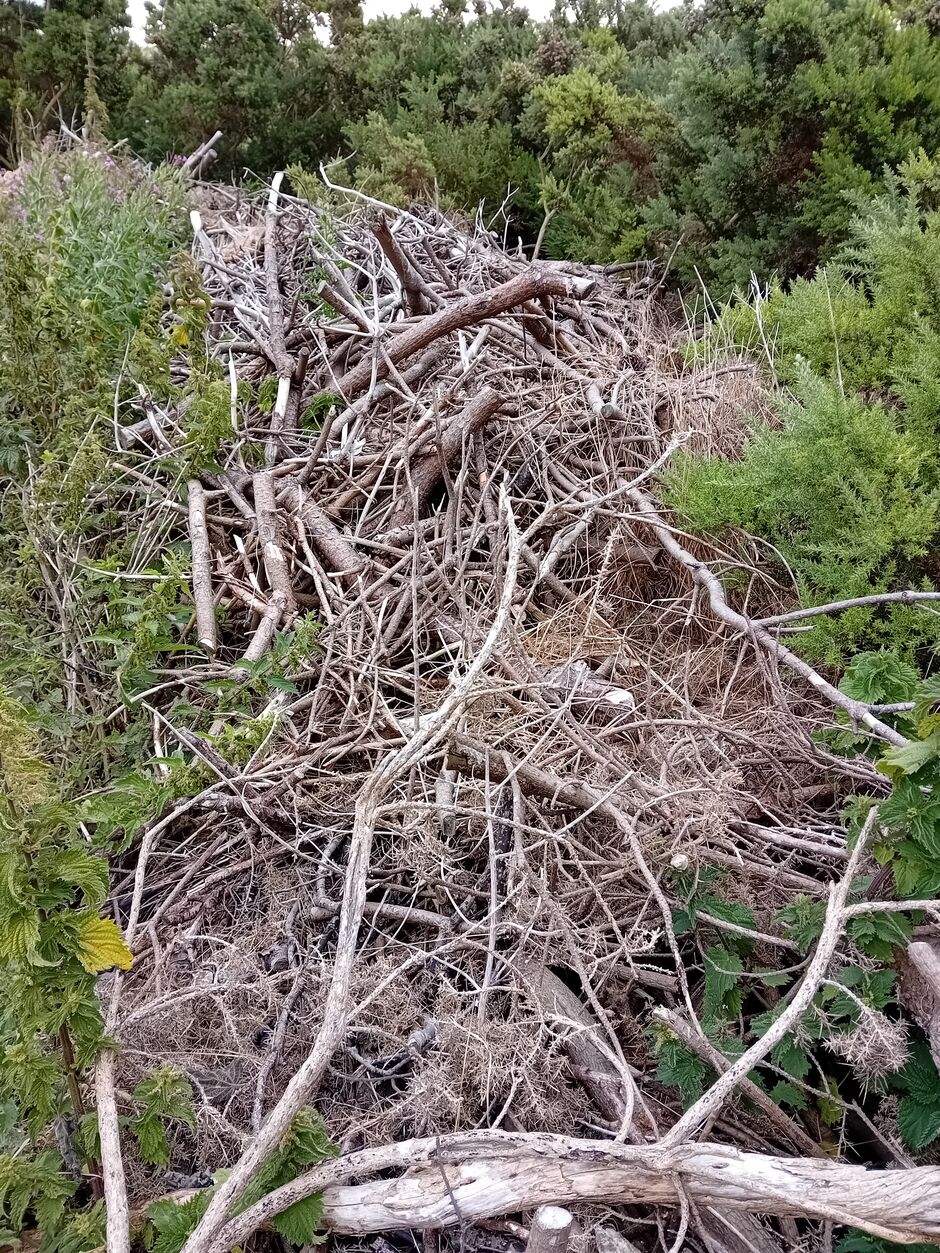
A Natural Bug Hotel
Finalist for International Environmental Golf Course of the Year
We are proud to be nominated for the International Environmental Golf Course of the Year and making it to the final four at this year's Environmental Golf Awards at Harrogate, England this year.